SpaceX’s ambitious orbital data center concept faces substantial hurdles.
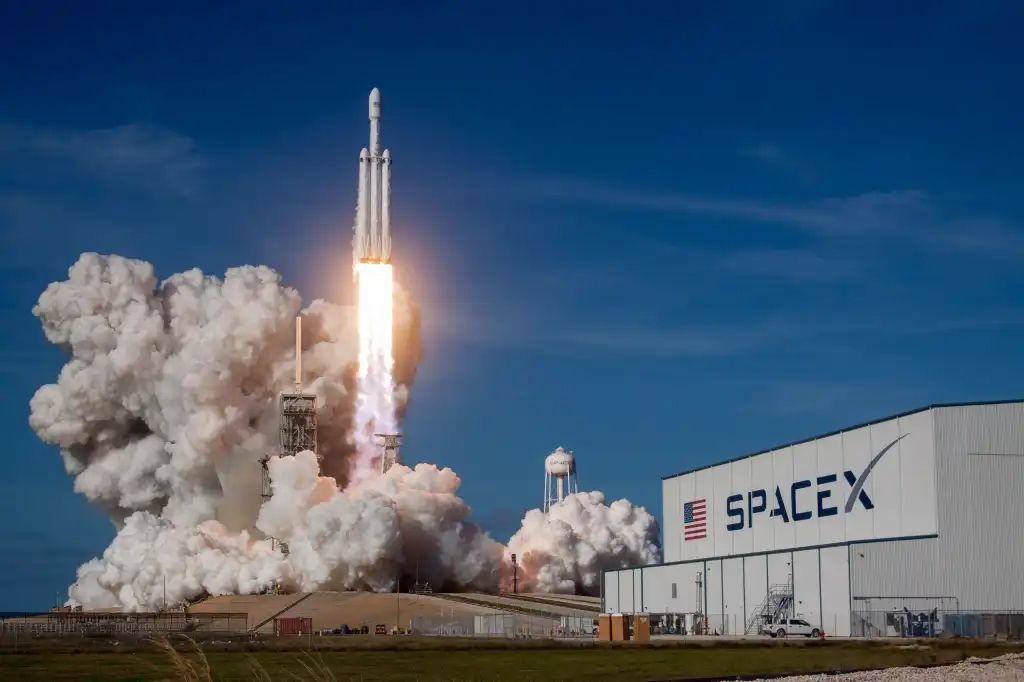
                                        <div class="media-with-label__label">
                        Image Source:                                                           SpaceX / Unsplash                                                   </div>
                                </figure>
        </div>
                                        </div>
                        </div>
                    </div>
Elon Musk, CEO of SpaceX, has revealed intentions to deploy a million data centers into Earth’s orbit. This initiative aims to address the escalating demand for terrestrial computing infrastructure, a need intensified by the widespread adoption of artificial intelligence.
Nevertheless, many industry specialists and scientists view the concept of orbiting data centers as largely unfeasible.
A significant challenge lies in thermal management. Data centers produce immense heat, yet the vacuum of space offers no conventional means for this heat to dissipate. Unlike ground-based facilities where heat can be shed via conduction or convection, in space, radiation remains the sole viable method.
Another critical concern involves managing and repairing faulty or damaged hardware in these orbital data centers. While technicians on Earth are readily available for emergency repairs, dispatching personnel into space for such tasks presents an entirely different, far more complex logistical challenge.
Given the extreme thermal fluctuations equipment would endure, coupled with the potential for catastrophic damage from even microscopic dust particle impacts, hardware failures are predicted to be significantly more frequent than in terrestrial environments.
The prospect of severe space collisions also looms large. A single malfunctioning satellite drifting uncontrollably could instigate a cascade of issues. With a projected million data centers encircling Earth, the probability of collisions significantly increases, potentially generating debris that could subsequently damage numerous other orbital assets.
“We might reach a critical threshold where the likelihood of impact becomes unacceptably high,” stated John Crassidis, a former NASA engineer from the University at Buffalo, as quoted by The Associated Press. He added, “These objects travel at tremendous speeds, around 17,500 miles per hour. The resulting collisions could be extremely destructive.”